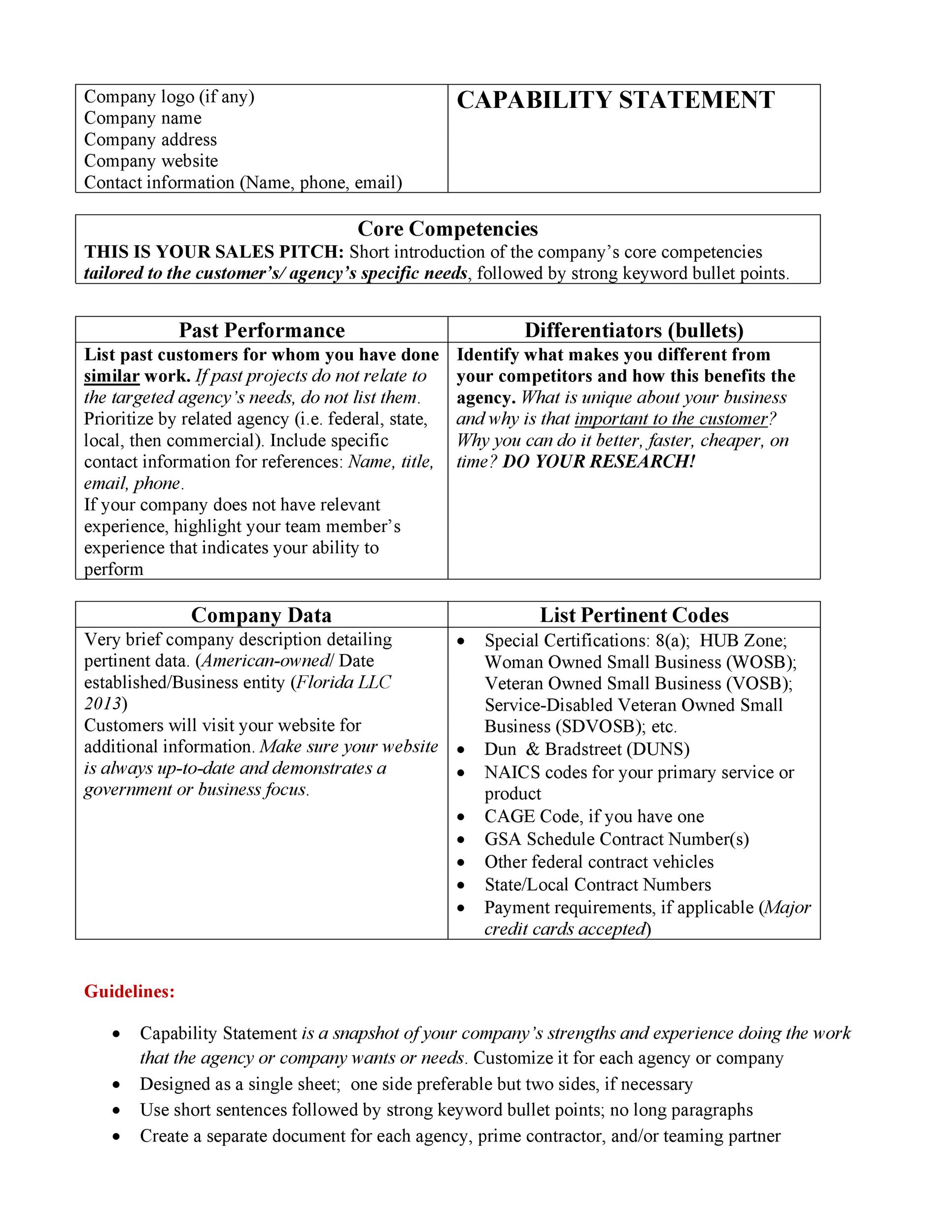
The ability to clearly articulate a business's capabilities is paramount to effective communication, strategic planning, and ultimately, success. A robust capability statement serves as a foundational document, defining what a company does, how it does it, and why it matters. It's more than just a list of features; it's a strategic narrative that influences stakeholder confidence and drives value. This article will delve into the crucial aspects of creating and utilizing a compelling Capability Statement Template Word, providing practical guidance and best practices for businesses of all sizes. Understanding the principles behind this document is essential for organizations seeking to differentiate themselves, improve operational efficiency, and achieve sustainable growth. The core of a successful capability statement lies in its clarity, specificity, and alignment with overall business objectives. Let's explore how to craft a template that truly delivers.
Defining Capabilities – The Foundation
Before we dive into the template itself, it's vital to understand what constitutes a capability. A capability is a fundamental activity or process that a company performs to deliver value to its customers. It's not just about what you sell; it's about how you deliver value. A strong capability statement identifies these activities and explains their significance. Consider these examples: a software company's capability might be "Data Analysis & Reporting," while a manufacturing firm's capability could be "Precision Manufacturing." Without a clear understanding of what a capability entails, it's difficult to effectively communicate its value proposition. The ability to accurately define and articulate these capabilities is the first step towards building a truly valuable business. It's about moving beyond simply listing products or services and focusing on the underlying processes that support them.
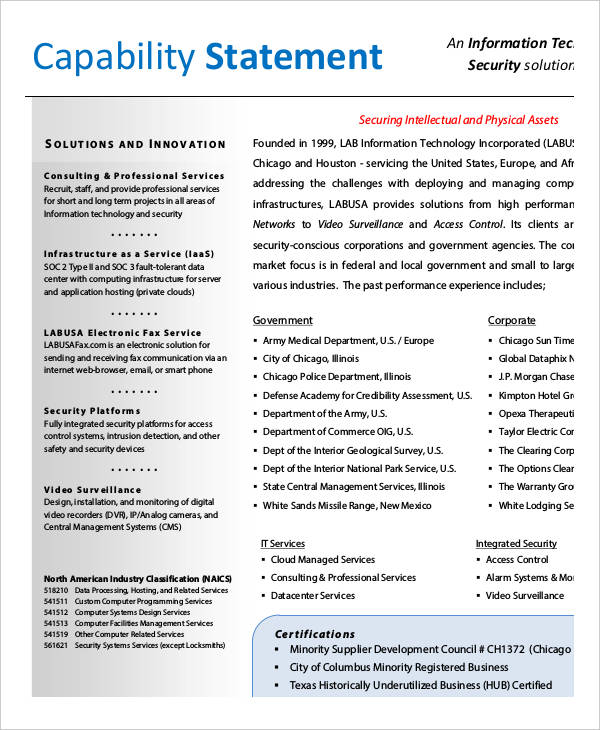
The Core Components of a Capability Statement
A well-structured capability statement typically includes several key components. These aren't rigid requirements, but rather guiding principles that ensure the statement is comprehensive and insightful. The first and most crucial element is a clear description of the core activities. This should be concise and easily understandable. Secondly, the statement should outline the key resources required to deliver those activities – human capital, technology, infrastructure, and financial resources. Thirdly, it needs to explain the value proposition – why these activities are important to the customer and how they contribute to the company's overall goals. Finally, a statement of the competitive advantage – what makes the company unique and better than its competitors – is often included. These components work together to paint a clear picture of the company's capabilities and their strategic importance. A lack of one or more of these elements can weaken the entire statement.
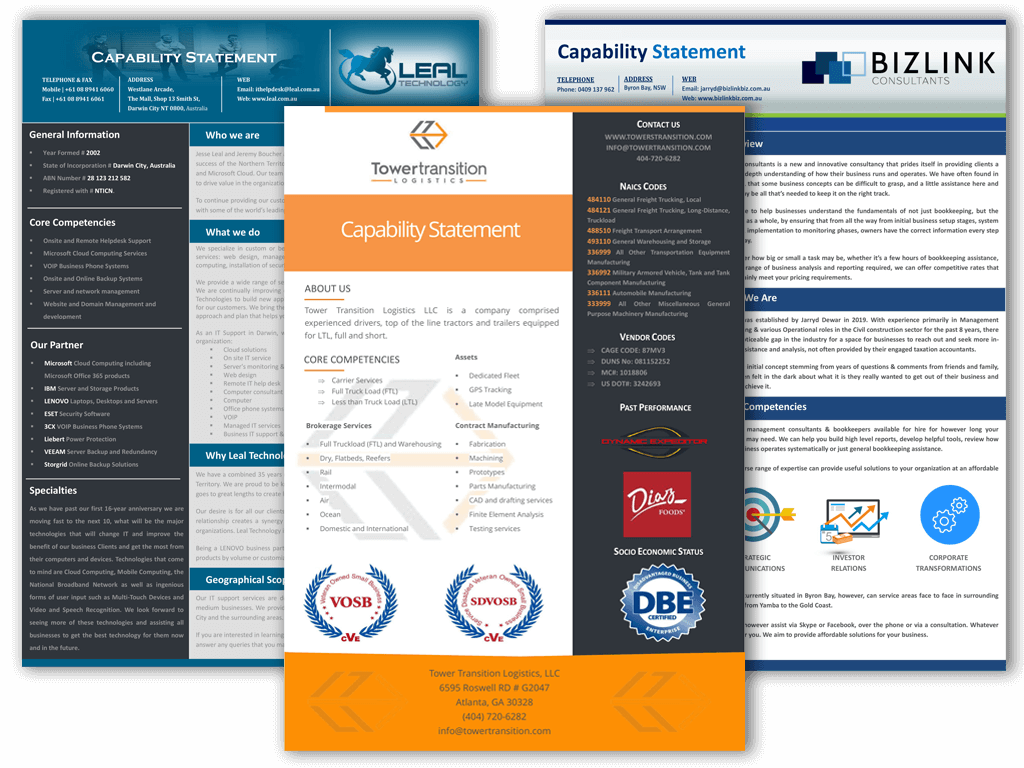
Building Your Capability Statement Template Word
Now, let's look at the practical aspects of constructing a Capability Statement Template Word. There are several variations, but the core structure remains consistent. Here's a breakdown of the essential sections:
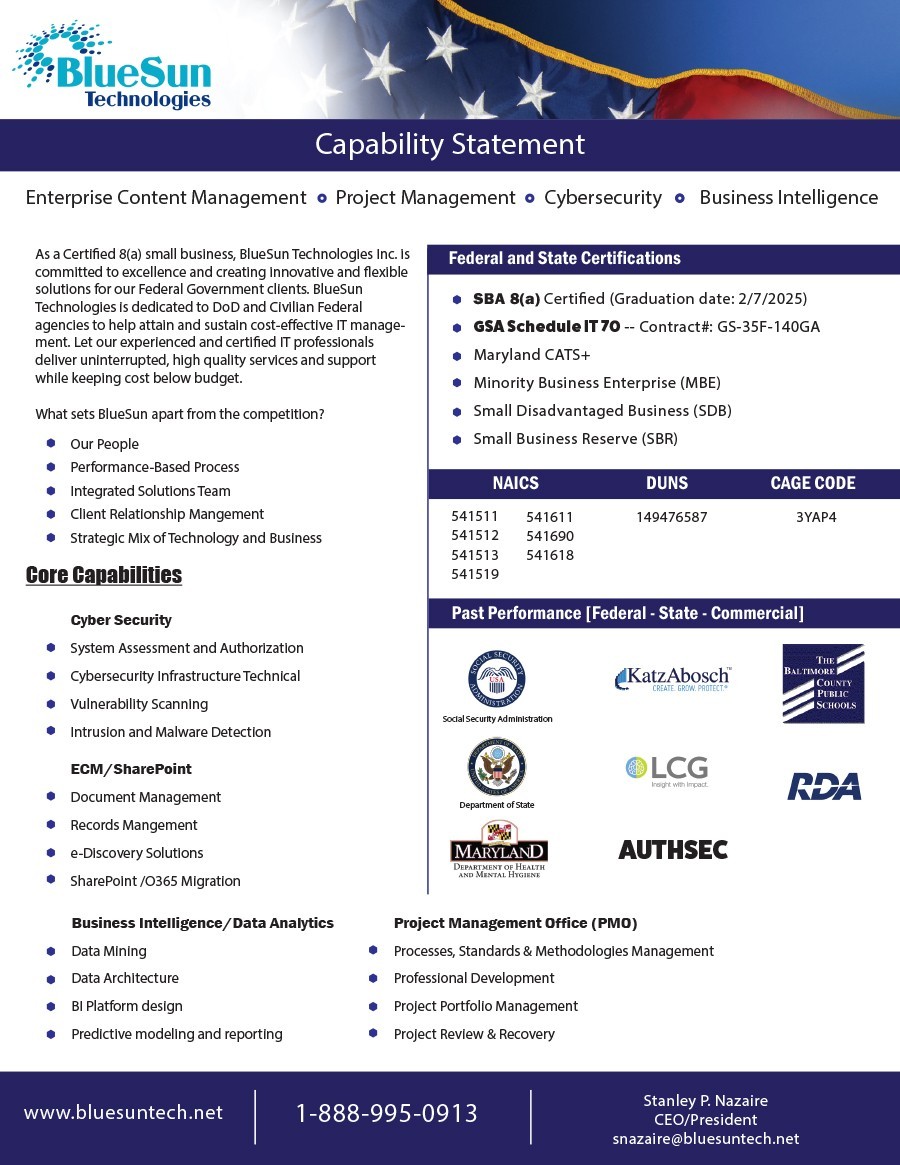
Section 1: Core Activities – The Heart of the Statement
This section is the most important, as it defines what the company does. It should be a concise list of the primary activities that drive the business. Avoid jargon and use action verbs to describe the activities. For example, instead of saying "We provide customer support," a more effective statement might be "We provide timely and effective customer support through phone, email, and chat." Consider grouping activities into logical categories for better readability. This section should be tailored to the specific industry and business model. A strong starting point is to identify the fundamental processes that underpin the company's operations.
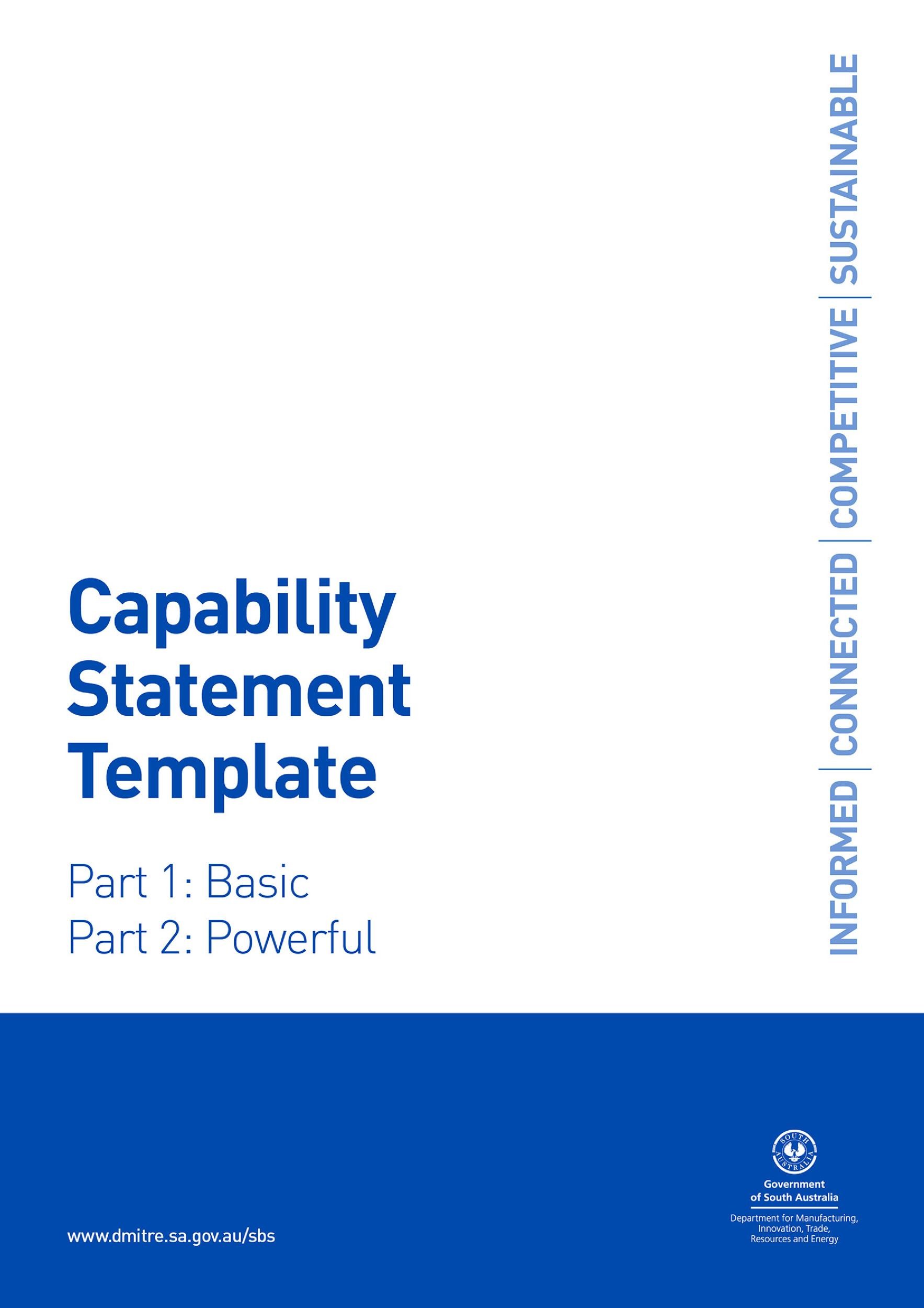
Section 2: Key Resources – Supporting the Core
This section highlights the resources needed to effectively execute the core activities. It's not just about the resources used, but also the availability of those resources. Consider these categories:

- Human Resources: Skills, expertise, and training of employees. Specify roles and responsibilities.
- Technology: Software, hardware, and IT infrastructure. Detail the systems and platforms used.
- Financial Resources: Capital, budget, and funding sources. Outline financial planning and investment strategies.
- Physical Resources: Facilities, equipment, and inventory. Describe the physical assets required.
- Intellectual Property: Patents, trademarks, and copyrights. Highlight any unique intellectual assets.
Clearly articulating the availability and quality of these resources is critical for assessing the company's ability to deliver its capabilities. A deficiency in any of these areas can significantly impact the effectiveness of the capability statement.
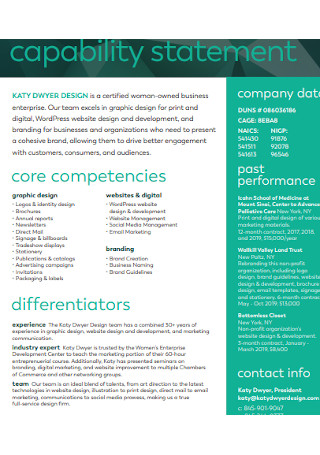
Section 3: Value Proposition – Why It Matters
This section explains the value the company delivers to its customers. It's about connecting the activities to the benefits they provide. This is where you articulate the why behind the capabilities. How does each activity contribute to customer satisfaction, retention, or profitability? Consider using the "Customer Value Proposition" framework – clearly stating how the company's capabilities enable customers to achieve their goals. Quantifiable benefits are always beneficial – e.g., "Reduced operational costs by 15%," or "Increased customer satisfaction scores by 10%."
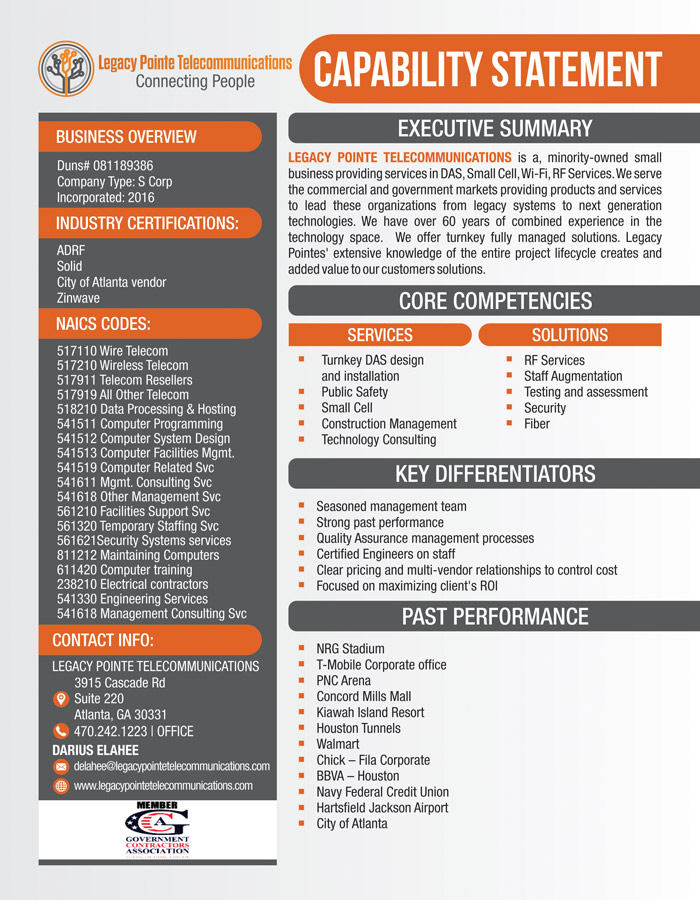
Section 4: Competitive Advantage – Differentiation
This section highlights what makes the company unique and better than its competitors. It's about identifying the specific factors that differentiate the company's capabilities. This could include proprietary technology, specialized expertise, strong customer relationships, or a unique business model. It's important to be realistic and avoid overstating the company's advantages. A well-defined competitive advantage strengthens the credibility of the capability statement and justifies the company's value proposition.
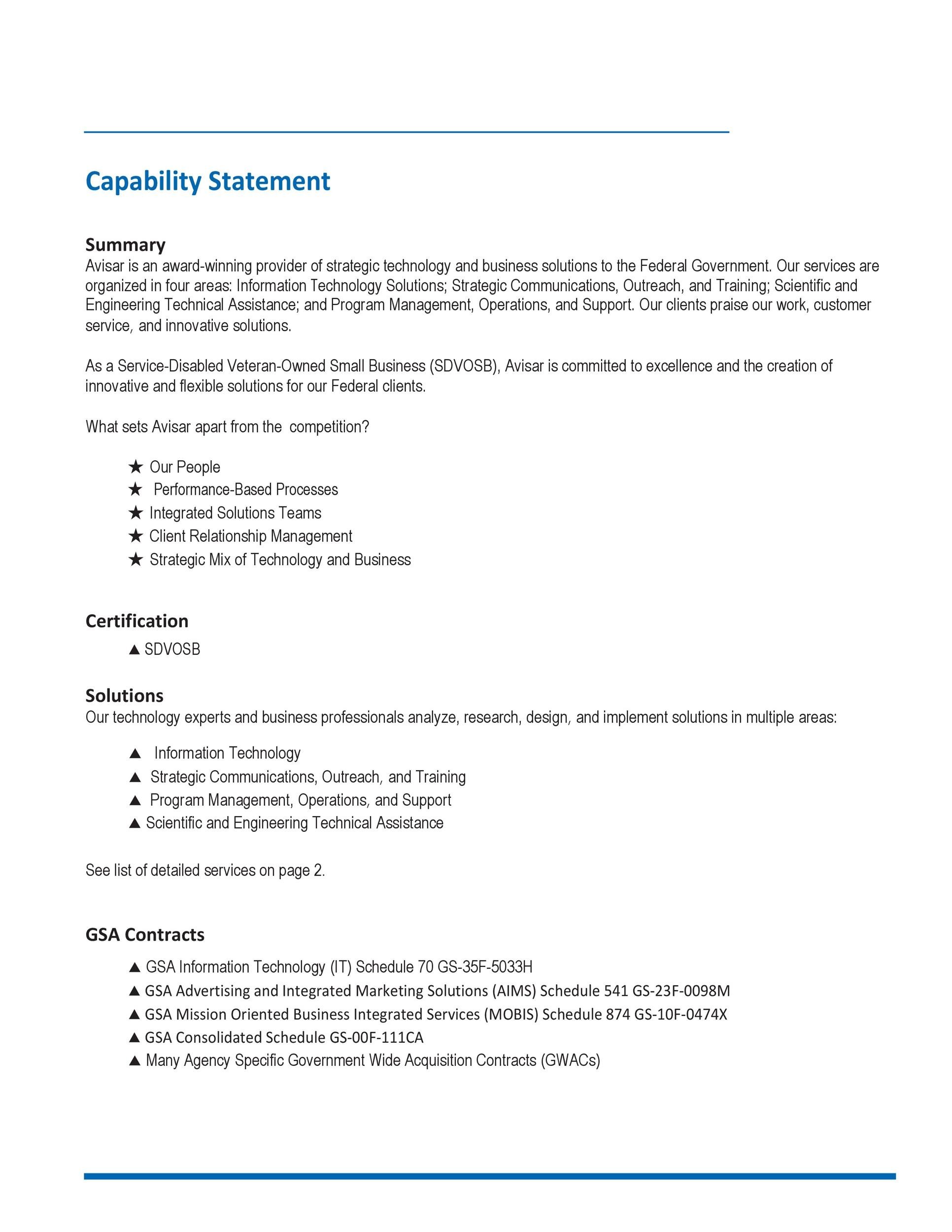
Utilizing the Capability Statement Template Word – Examples
Let's illustrate how to apply these sections to real-world scenarios.
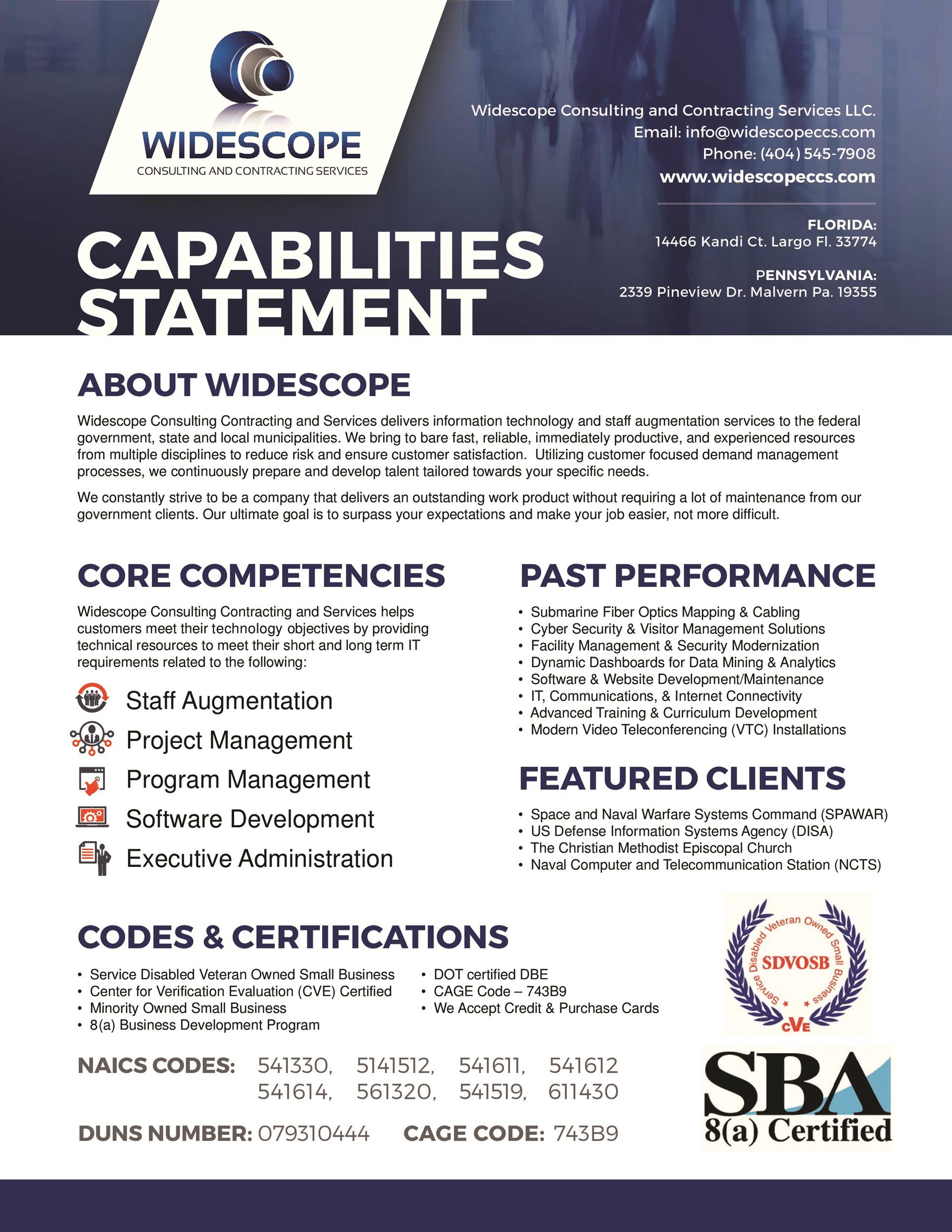
Retail Chain: A retail chain's capability statement might include "Product Sourcing & Procurement," "Inventory Management," "Customer Relationship Management," "Marketing & Sales," and "Logistics & Distribution." The value proposition would emphasize "Providing customers with a wide selection of high-quality products at competitive prices," and "Ensuring timely and efficient delivery to customers' doorsteps."
Software Development Company: A software development company's capability statement might include "Software Development," "Testing & Quality Assurance," "Project Management," "Technical Support," and "Client Communication." The value proposition would highlight "Delivering innovative software solutions that meet the specific needs of our clients," and "Providing ongoing technical support and maintenance."
Manufacturing Company: A manufacturing company's capability statement might include "Production Operations," "Quality Control," "Supply Chain Management," "Equipment Maintenance," and "Logistics." The value proposition would emphasize "Producing high-quality products on time and within budget," and "Ensuring reliable supply chain operations."
Conclusion – The Power of Strategic Communication
Creating and utilizing a Capability Statement Template Word is a critical investment for any organization seeking to improve its strategic direction and operational effectiveness. It's a dynamic document that should be regularly reviewed and updated to reflect changes in the business environment. By clearly articulating capabilities, defining key resources, and highlighting the value proposition, companies can effectively communicate their strengths and differentiate themselves from the competition. A well-crafted capability statement isn't just a document; it's a strategic communication tool that drives business success. Ultimately, it's a reflection of the company's vision and its ability to deliver on its promises. The ability to articulate these capabilities effectively is a key indicator of a company's long-term viability and growth potential. Continuous refinement and adaptation are essential to maintain its relevance and effectiveness in a constantly evolving marketplace.
0 Response to "Capability Statement Template Word"
Posting Komentar