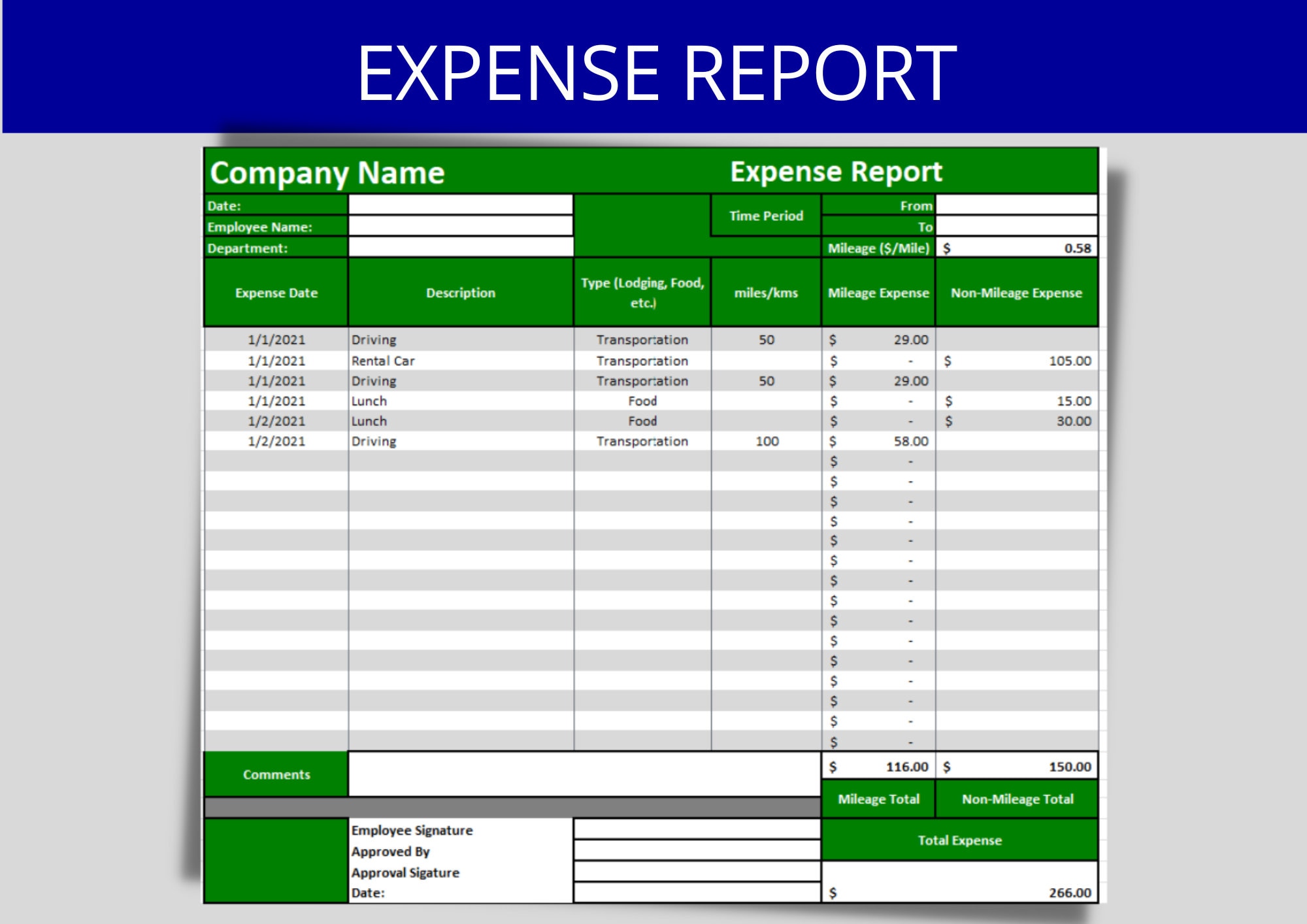
Creating a comprehensive and accurate expense report is crucial for both personal and business financial management. A well-structured spreadsheet can streamline the process, ensuring all expenses are tracked, categorized, and analyzed effectively. Expense Report Spreadsheet Template Excel is more than just a template; it's a powerful tool for controlling spending, identifying areas for potential savings, and ultimately, achieving your financial goals. This article will guide you through creating a robust and user-friendly expense report spreadsheet, complete with best practices and helpful tips. We'll explore the essential components, formatting options, and considerations for maximizing its utility.
Understanding the Importance of Expense Tracking
The benefits of diligently tracking expenses extend far beyond simply recording transactions. Effective expense reporting allows you to:
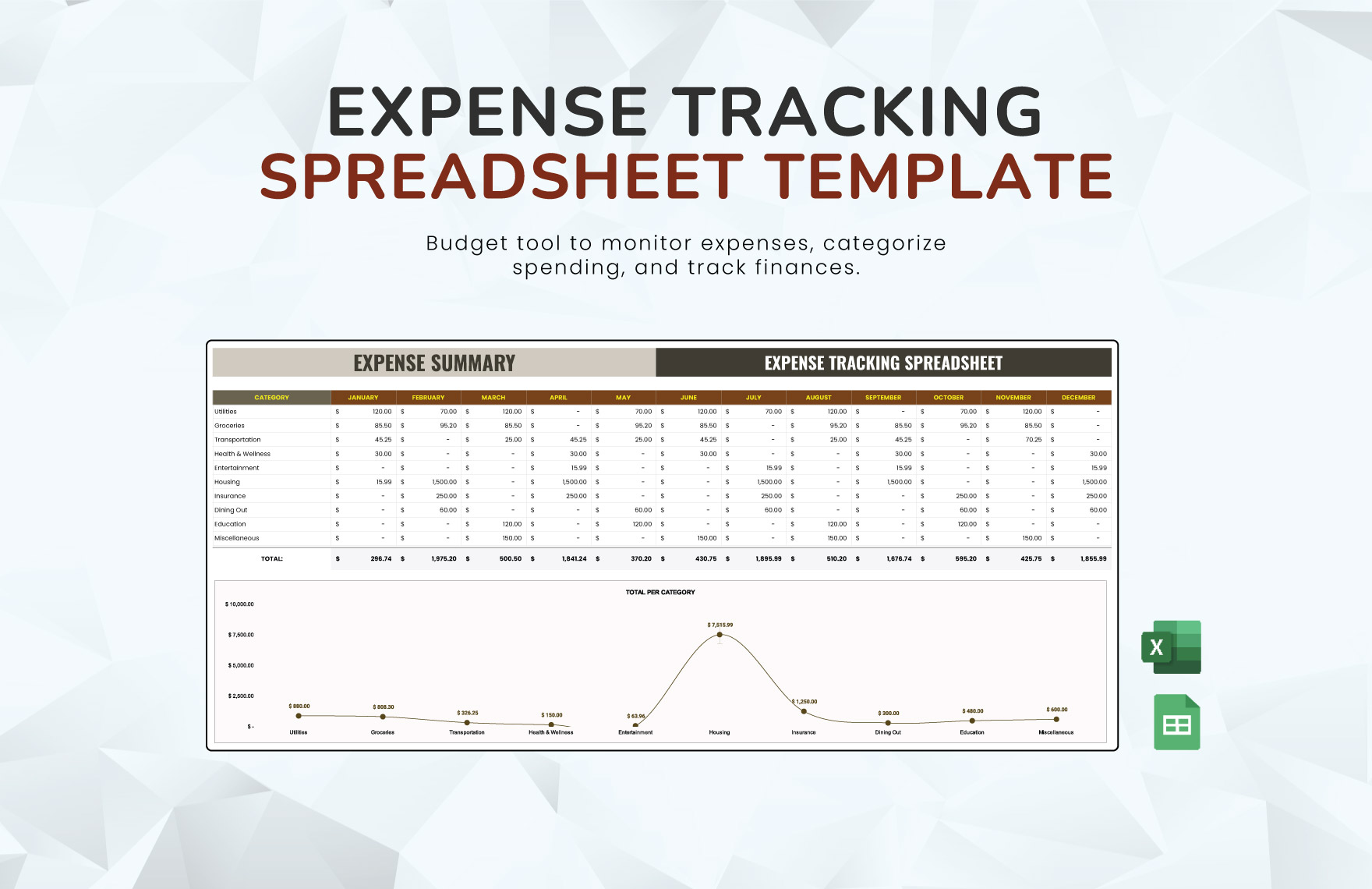
- Gain Visibility into Spending Habits: By analyzing your expenses, you can identify patterns and understand where your money is going.
- Control Costs: Spotting unnecessary spending is the first step towards reducing costs and improving your budget.
- Prepare for Tax Season: Accurate expense records are essential for supporting your tax deductions.
- Improve Financial Planning: Tracking expenses provides a baseline for future financial planning and goal setting.
- Demonstrate Accountability: A well-organized expense report provides a clear record of your spending, which can be valuable when seeking loans or investments.
Core Components of an Expense Report Spreadsheet
A solid expense report spreadsheet should include the following key sections:
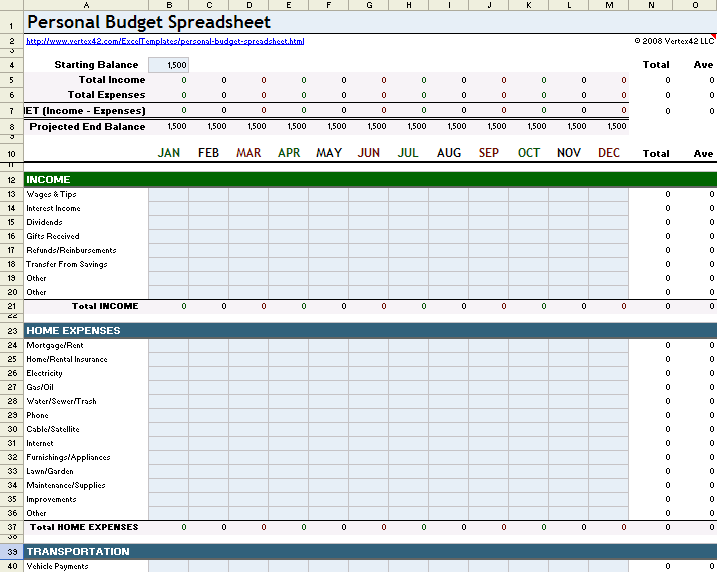
- Date: Record the date of each expense.
- Category: Categorize expenses (e.g., Travel, Meals, Office Supplies, Entertainment).
- Description: Provide a brief description of the expense.
- Vendor/Expense Report: Include the name of the vendor or the reference number for the expense report.
- Amount: Record the amount of the expense.
- Payment Method: Specify how the expense was paid (e.g., Credit Card, Cash, Check).
- Receipt/Invoice: Attach a copy of the receipt or invoice for each expense.
Building Your Expense Report Template
Let's dive into the specific sections of the spreadsheet and how to populate them effectively. We'll focus on creating a template that's both flexible and easy to use.
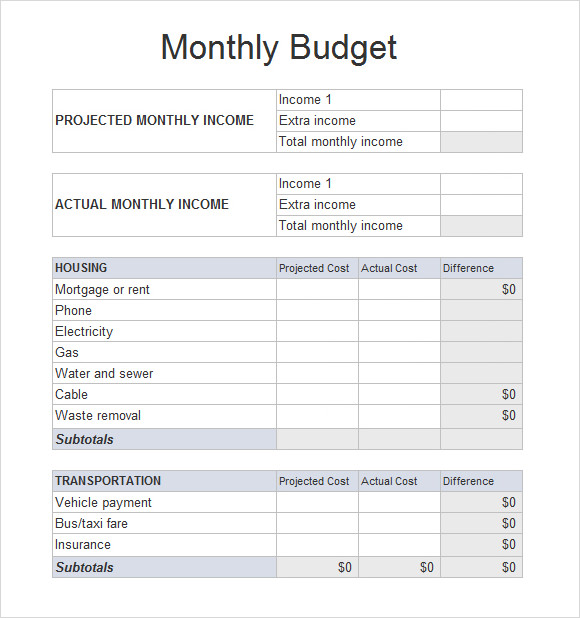
Section 1: Date and Category
The first section is straightforward – record the date of each expense. A simple column for "Date" is sufficient. Then, create a separate column for "Category" to categorize each expense. This is critical for analysis and reporting. Consider using dropdown menus for the category selection to streamline the process.
Section 2: Description
The "Description" column is where you provide a brief explanation of the expense. This helps you remember what you spent money on and can be useful for future reference. Keep descriptions concise and informative.
Section 3: Vendor/Expense Report
This section is vital for tracking recurring expenses. You can either manually enter the vendor's name or use a reference number. This allows for easier tracking and reporting of recurring expenses. Consider adding a field to track the vendor's contact information.
Section 4: Amount
The "Amount" column is where you record the precise amount of each expense. Ensure you use the correct currency. Consider using a consistent formatting style for the amounts (e.g., using commas for thousands separators).
Section 5: Payment Method
This section details how the expense was paid. This is important for tax purposes and for understanding spending patterns. Options include credit card, cash, bank transfer, or other methods.
Section 6: Receipt/Invoice
This is arguably the most important section. Expense Report Spreadsheet Template Excel relies heavily on attaching receipts or invoices. This provides proof of expense and helps with tax deductions. Ensure all receipts are legible and clearly show the date, vendor, and amount.
Advanced Features and Formatting
Beyond the core components, consider these advanced features to enhance your expense report spreadsheet:
- Conditional Formatting: Use conditional formatting to highlight expenses based on category, amount, or vendor. For example, you could highlight all expenses over $100 in red.
- Data Validation: Implement data validation to restrict the values that can be entered into the "Category" column. This ensures consistency and prevents errors.
- Charts and Graphs: Create charts and graphs to visualize your spending patterns. Bar charts are particularly effective for comparing spending across categories.
- Formulas: Use formulas to automatically calculate totals, averages, and other metrics. For example, you could calculate the total amount spent on travel for a given month.
- Sorting and Filtering: Enable sorting and filtering to easily find specific expenses. You can sort by date, category, or amount.
Best Practices for Expense Report Management
- Consistency is Key: Maintain a consistent format for all expense reports. This will make it easier to analyze your data and generate reports.
- Regularly Review: Review your expense reports regularly to identify trends and potential areas for improvement.
- Automate Where Possible: Explore options for automating data entry and reporting. Many spreadsheet programs offer features for automating calculations and generating reports.
- Keep Records Organized: Maintain a well-organized system for storing your expense receipts and invoices. Consider using a cloud-based storage solution for easy access.
- Tax Compliance: Be mindful of tax regulations and ensure your expense reports are accurate and complete. Consult with a tax professional if you have any questions.
Conclusion
Creating and maintaining an effective expense report spreadsheet is a valuable investment for anyone looking to manage their finances effectively. By utilizing the core components outlined in this article and incorporating advanced features, you can gain valuable insights into your spending habits, control your costs, and achieve your financial goals. Expense Report Spreadsheet Template Excel is a powerful tool that empowers you to take control of your finances and make informed decisions. Remember that consistent tracking and meticulous record-keeping are the cornerstones of successful expense management. Investing in a well-designed spreadsheet is an investment in your financial well-being.
Conclusion
Ultimately, a thoughtfully designed and consistently maintained expense report spreadsheet is a powerful tool for personal and business financial management. By embracing best practices and leveraging the features of a spreadsheet, you can transform raw transaction data into actionable insights, leading to greater control, reduced costs, and improved financial health. The key is to tailor the template to your specific needs and consistently apply these principles to ensure its continued effectiveness.
0 Response to "Expense Report Spreadsheet Template Excel"
Posting Komentar