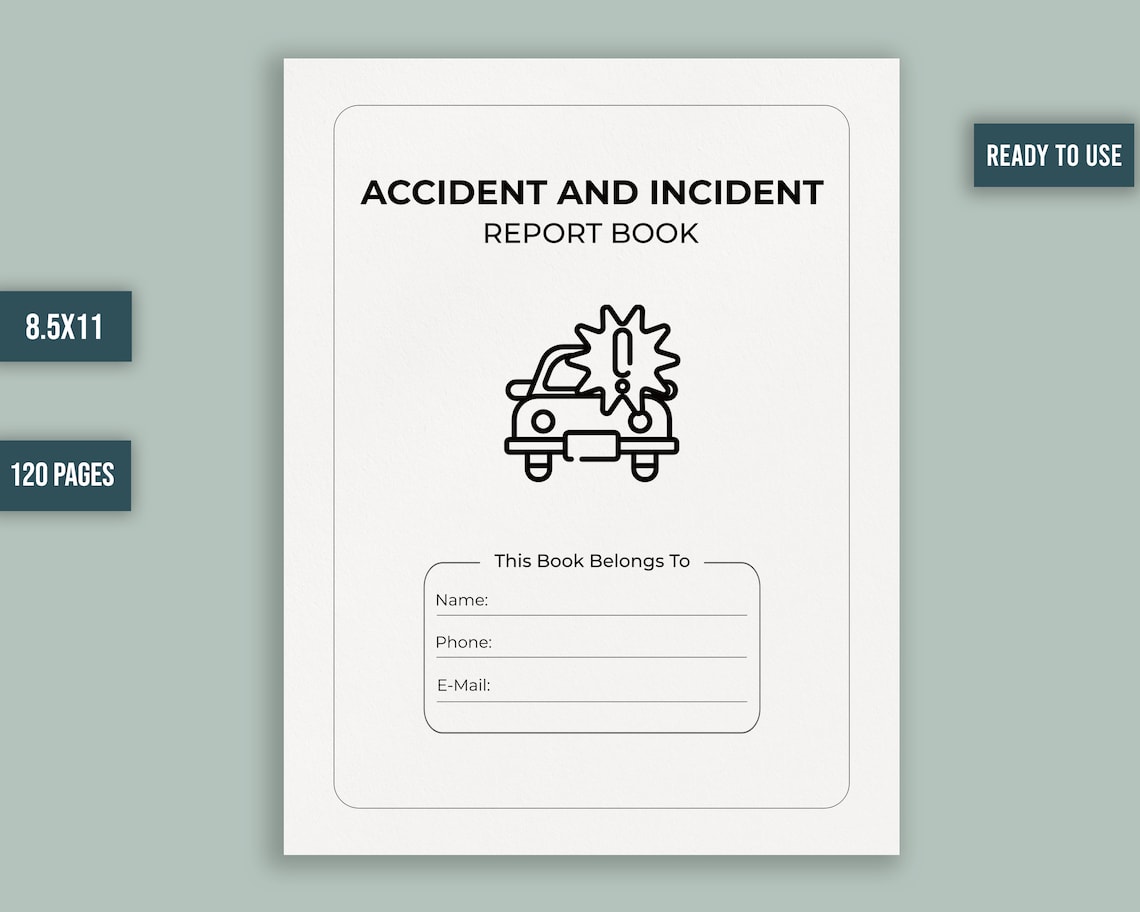
The escalating importance of effective incident reporting cannot be overstated. Businesses, organizations, and even individuals rely on detailed incident reports to analyze trends, identify root causes, and implement preventative measures. A well-structured incident report book template provides a consistent framework for capturing crucial information, fostering collaboration, and ultimately, driving continuous improvement. This article will explore the essential components of an effective incident report book template, offering practical guidance for creating a document that truly serves your needs. Incident Report Book Template is more than just a form; it's a strategic tool for understanding and mitigating potential issues. It's a vital component of a robust safety and operational management system.
The initial stages of implementing an incident report book template often involve careful consideration of the specific needs of your organization. Different industries and departments may require variations in the format and content. However, the core principles remain consistent: to systematically record and analyze incidents, ensuring that lessons learned are effectively disseminated and incorporated into future operations. A thoughtfully designed template streamlines the reporting process, reducing errors and improving the quality of information gathered. Investing in a quality template is an investment in proactive risk management.

Understanding the Core Components
Before diving into the specific sections, let's establish the fundamental elements that should be included in any incident report book template. A comprehensive template typically encompasses the following categories:

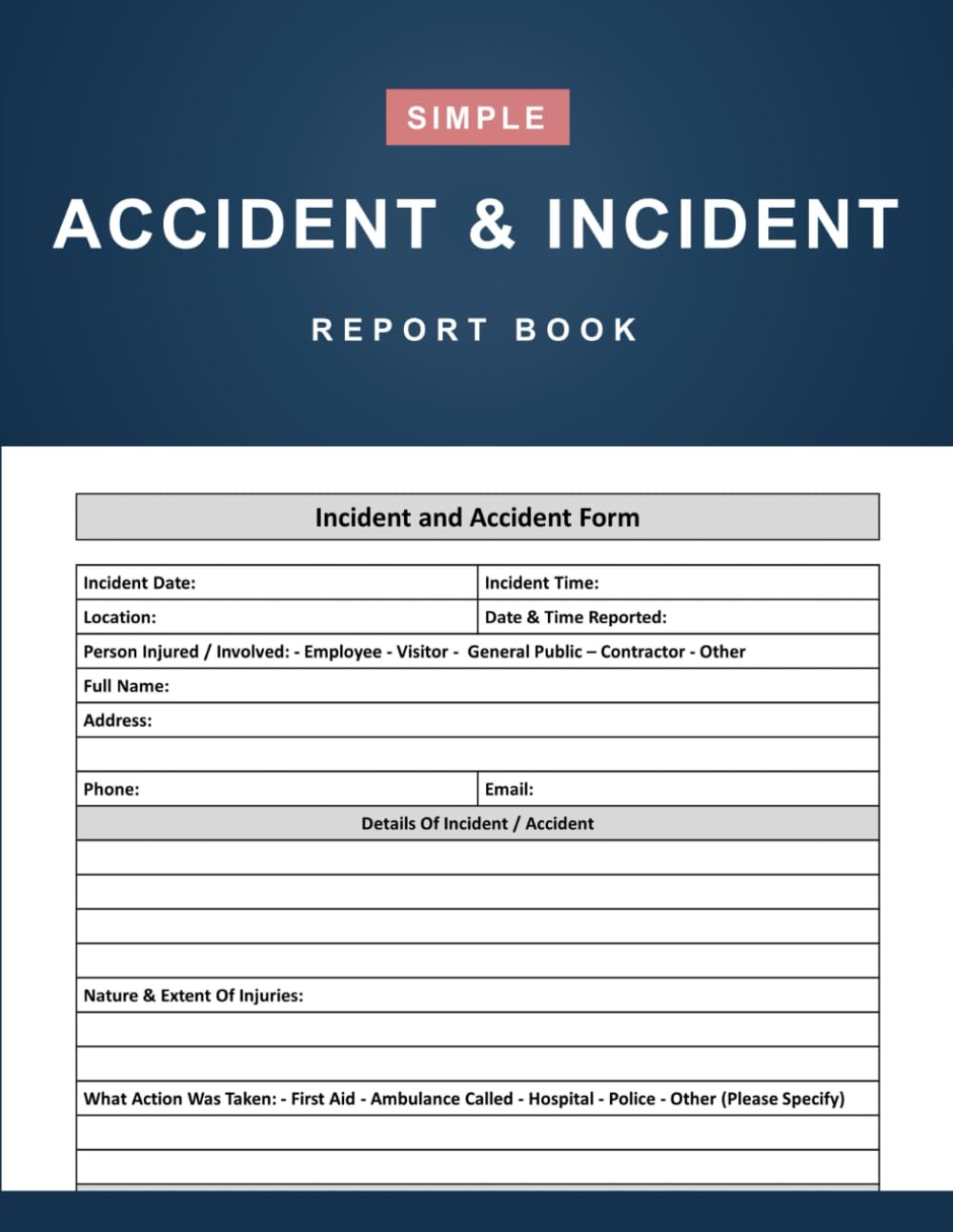
- Incident Details: This is the core of the report, detailing the incident itself. It should include a clear and concise description of what happened, the date and time, location, and any relevant observations.
- Severity Assessment: A crucial element is the assessment of the incident's severity. This goes beyond simply labeling it as "minor" or "major." Severity levels (e.g., low, medium, high, critical) should be clearly defined and consistently applied.
- Contributing Factors: Identifying the root causes of the incident is paramount. This section should explore potential contributing factors, such as human error, equipment malfunction, environmental conditions, or inadequate training.
- Immediate Actions Taken: Documenting the steps taken to address the incident is essential. This demonstrates accountability and provides a clear record of response efforts.
- Lessons Learned: This is arguably the most important section. The template should prompt the recording of key lessons learned, focusing on identifying systemic issues and recommending corrective actions.
- Preventative Measures: Based on the lessons learned, the template should suggest specific preventative measures to mitigate the risk of similar incidents in the future.
The Incident Report Book Template – Detailed Sections
Let's now examine the specific sections that comprise a robust incident report book template. Each section is designed to gather and analyze information in a structured and actionable manner.

Incident Details – A Foundation for Accurate Reporting
The "Incident Details" section is the starting point. It requires a clear and concise description of the incident, including:
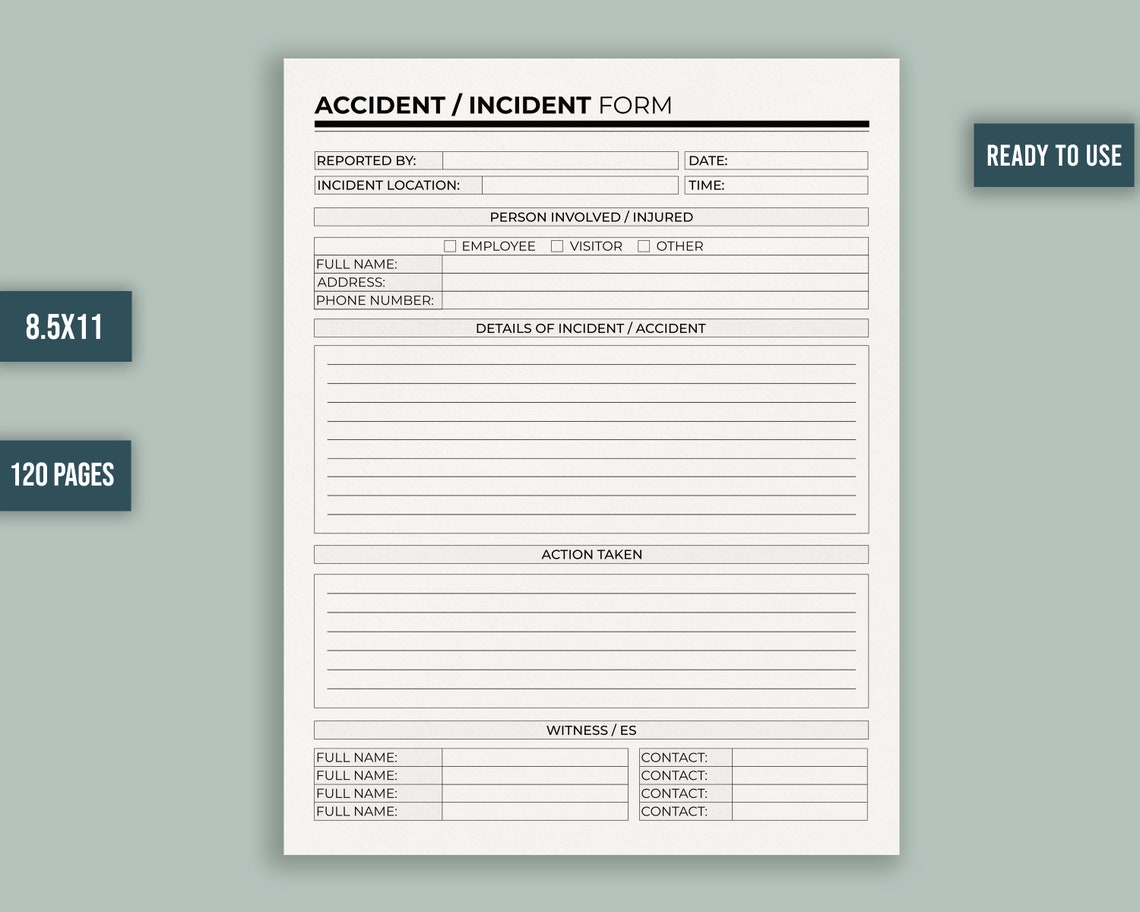
- Date and Time: Precisely record the date and time the incident occurred.
- Location: Specify the exact location where the incident took place. Include GPS coordinates if available.
- Description: Provide a detailed account of what happened, avoiding jargon and focusing on observable facts. Use clear and unambiguous language.
- Witness Statements: If applicable, include statements from witnesses, ensuring they are recorded verbatim.
- Photographic/Video Evidence: Document any relevant visual evidence, such as photographs or videos.
Severity Assessment – Prioritizing Risk
The "Severity Assessment" section is critical for prioritizing incident response efforts. It should utilize a defined scale (e.g., Low, Medium, High, Critical) and clearly explain the rationale behind the assigned level. Factors to consider include:
- Potential Harm: What is the potential for injury, damage, or loss?
- Impact on Operations: How significantly does the incident affect business operations?
- Regulatory Compliance: Does the incident violate any relevant regulations or standards?
- Risk to Personnel: Does the incident pose a risk to employees or the public?
Contributing Factors – Uncovering Root Causes
The "Contributing Factors" section is dedicated to exploring the underlying causes of the incident. This requires a systematic approach to identify potential contributing factors, often using techniques like the "5 Whys" method. Examples include:
- Equipment Malfunction: Was the equipment faulty or improperly maintained?
- Human Error: Were there any mistakes made by personnel?
- Environmental Factors: Were external conditions (e.g., weather, temperature) a factor?
- Training Deficiencies: Were employees adequately trained on relevant procedures?
- Process Issues: Were there flaws in the operational processes?
Immediate Actions Taken – Accountability and Response
This section details the immediate steps taken to address the incident. It should include:
- Response Time: Record the time taken to respond to the incident.
- Actions Taken: Describe the specific actions taken to contain the incident, mitigate its impact, and prevent recurrence.
- Roles and Responsibilities: Clearly identify the individuals involved in the response and their respective roles.
- Communication: Document communication protocols and how information was disseminated.
Lessons Learned – Continuous Improvement
The "Lessons Learned" section is the most important element for driving continuous improvement. It should prompt the recording of key lessons learned, focusing on:
- Systemic Issues: Identify underlying systemic issues that contributed to the incident.
- Process Improvements: Recommend specific changes to processes to prevent similar incidents in the future.
- Training Needs: Identify areas where additional training is needed.
- Equipment Maintenance: Recommend improvements to equipment maintenance schedules.
Preventative Measures – Proactive Risk Reduction
The "Preventative Measures" section should propose concrete actions to mitigate the risk of similar incidents. This could include:

- Revised Procedures: Update operational procedures to reflect lessons learned.
- Enhanced Training: Provide additional training to personnel.
- Equipment Upgrades: Invest in new equipment or upgrades to existing equipment.
- Safety Audits: Conduct regular safety audits to identify and address potential hazards.
Conclusion – Synthesizing Key Takeaways
Incident Report Book Templates are far more than just templates; they are powerful tools for fostering a culture of safety and continuous improvement. By systematically documenting incidents, identifying root causes, and implementing preventative measures, organizations can significantly reduce the risk of future occurrences. The consistent application of a well-structured template, coupled with a commitment to learning from each incident, is essential for building a resilient and proactive safety program. Ultimately, investing in a robust incident report book template is an investment in the well-being of your people and the success of your organization. Incident Report Book Template is a fundamental component of a comprehensive safety management system.

0 Response to "Incident Report Book Template"
Posting Komentar