Invoice Template Singapore – A Comprehensive Guide for Businesses
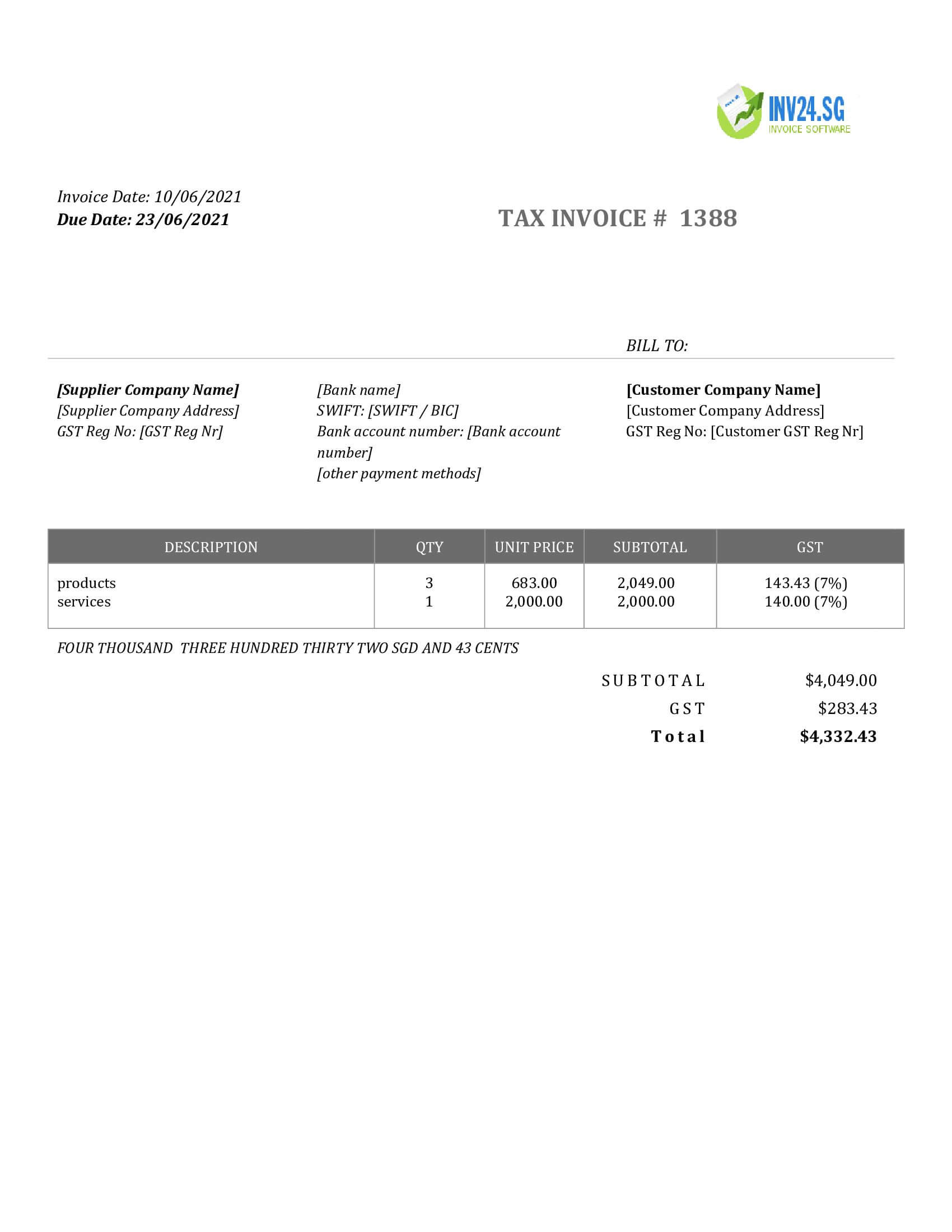
Creating professional invoices is a cornerstone of effective business management. It's more than just a document; it's a crucial tool for tracking payments, maintaining accurate records, and fostering strong client relationships. For businesses operating in Singapore and across the region, understanding the nuances of invoice design and delivery is paramount. This guide delves into the world of invoice templates, exploring best practices, design considerations, and the importance of compliance. At the heart of this guide lies the vital need for a well-structured invoice template – one that's both visually appealing and functionally robust. Invoice Template Singapore is a critical component of any business's financial operations. Choosing the right template can significantly impact your cash flow and overall profitability. This article will provide you with the knowledge and resources you need to create professional invoices that leave a lasting positive impression.
The importance of a well-designed invoice extends far beyond simply presenting numbers. It's about conveying professionalism, clarity, and trustworthiness. A poorly designed invoice can damage your brand image and lead to disputes. Singapore businesses, in particular, often operate in a competitive market, and a polished invoice can be the deciding factor between a successful deal and a missed opportunity. Furthermore, adhering to industry standards and regulations is essential for legal compliance. This guide will cover key aspects of invoice design, including formatting, content, and best practices. Let's begin our exploration of Invoice Template Singapore.

Understanding the Core Elements of a Professional Invoice
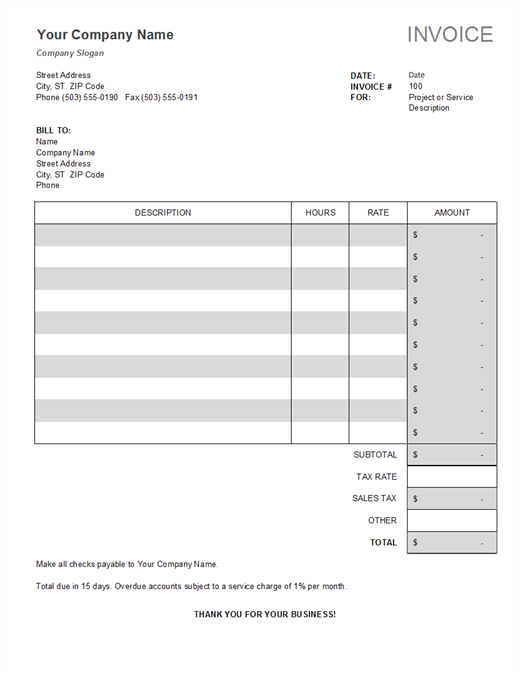
Before diving into specific template designs, it's important to understand the fundamental elements that contribute to a successful invoice. A good invoice should be easy to read, understand, and process. It should clearly outline the details of the transaction, including the invoice number, date, vendor information, client information, itemized descriptions, quantities, unit prices, and total amount due. A clear and concise invoice streamlines the payment process, reducing administrative overhead and improving client satisfaction. Consider incorporating elements like a professional signature and a clear call to action.
Key Sections of a Standard Singapore Invoice
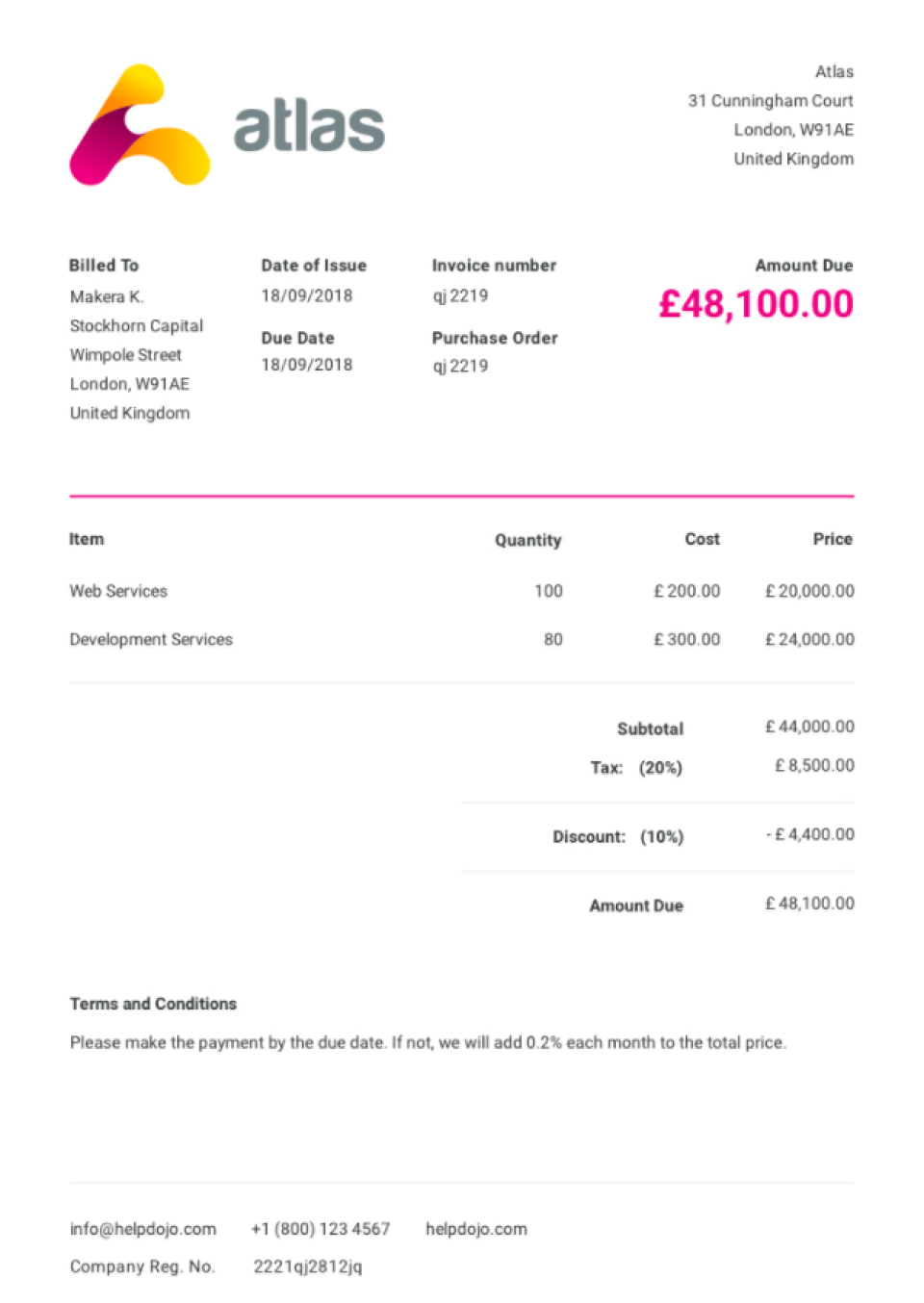
Let's examine the key sections typically found in a standard invoice. Each section plays a vital role in conveying the necessary information to the recipient.
1. Header Information
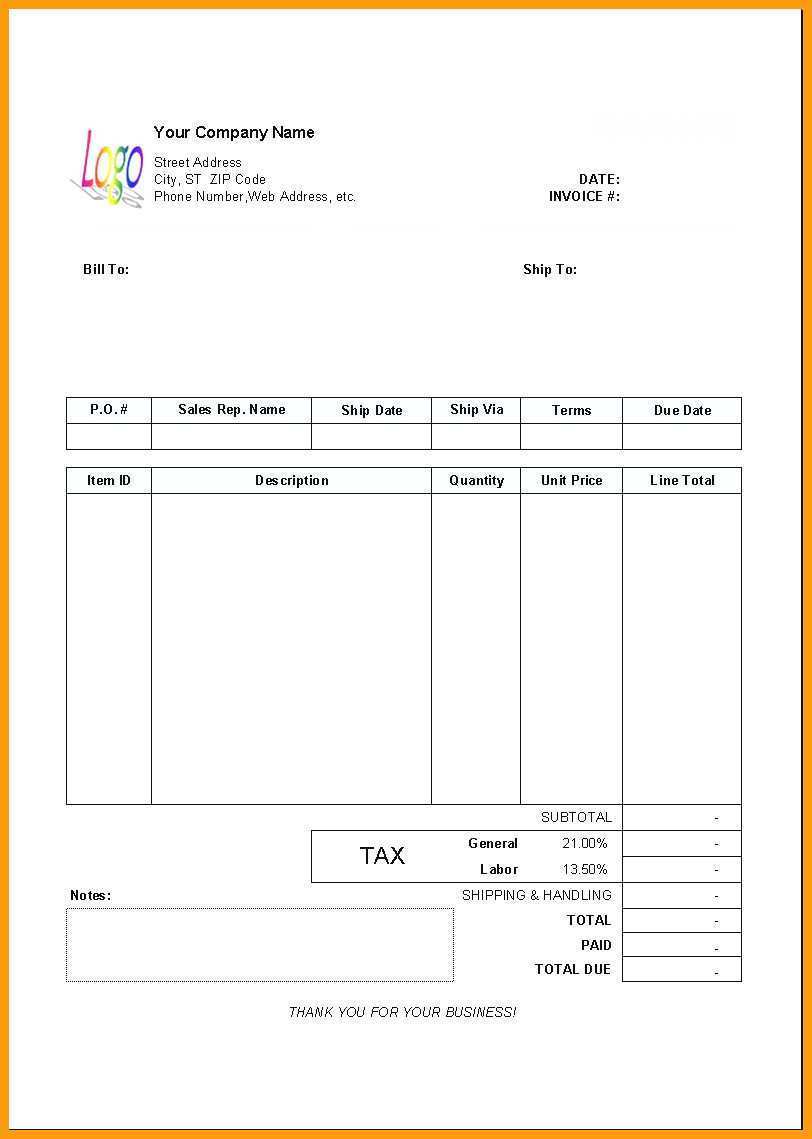
The header section provides essential details about the invoice. This includes the invoice number, date, vendor's name and address, and the client's name and contact information. The invoice number is crucial for tracking and referencing. It's best to use a consistent numbering system across all invoices. The client's address should be accurate and readily available. A clear and concise header section ensures that all parties involved have the necessary information readily accessible. Proper formatting of this section is vital for readability.
2. Invoice Details
This section contains the core details of the transaction. It includes the invoice date, the total amount due, and the payment terms. It's important to clearly state the currency used for the invoice. For Singapore businesses, it's common to specify the currency (Singapore Dollars – SGD) upfront. The total amount due should be prominently displayed. This section is the foundation for calculating payments and managing cash flow.

3. Itemized Description
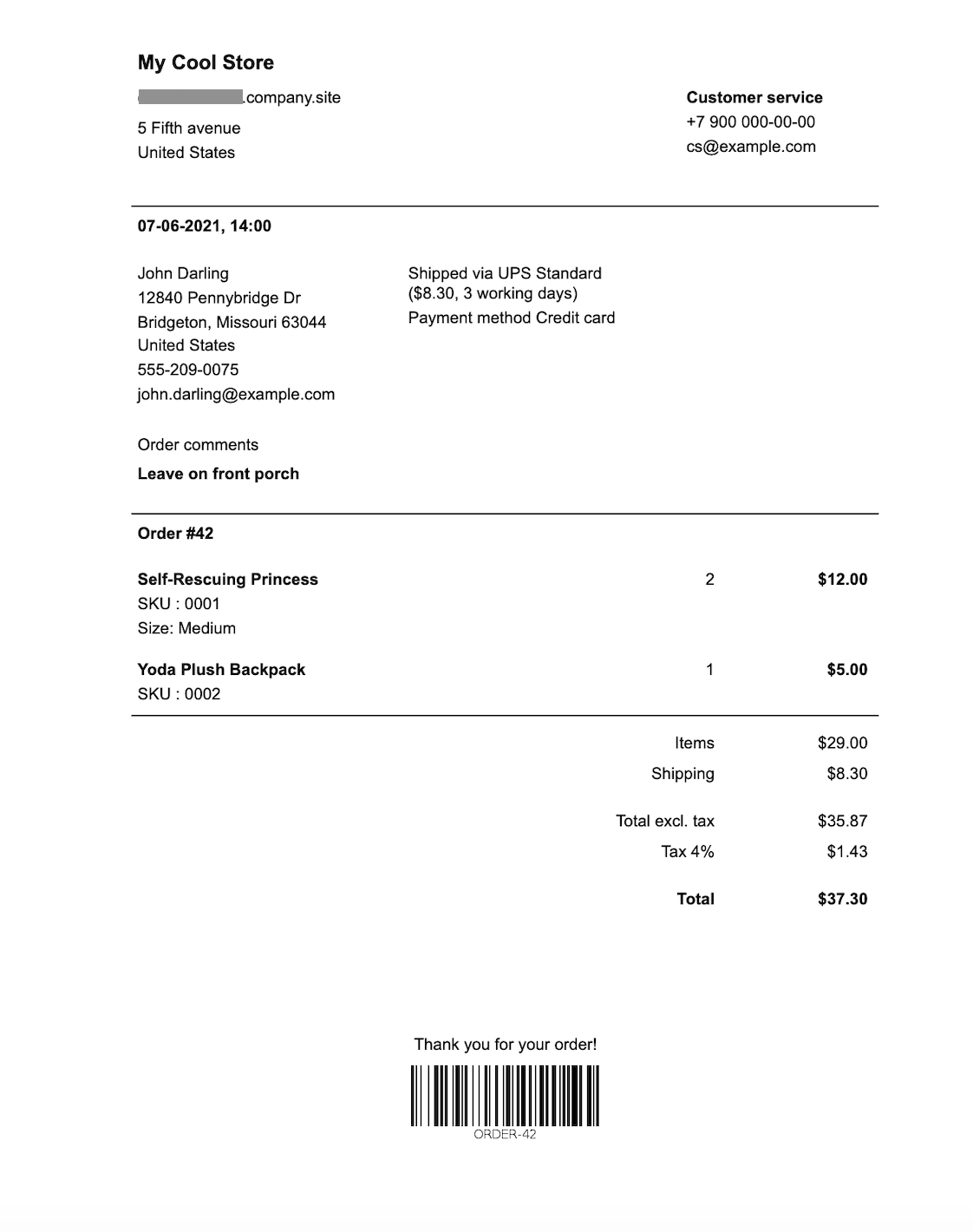
This is arguably the most important section of the invoice. It details the goods or services provided, along with the quantity and unit price. Be specific and accurate. Avoid vague descriptions. For example, instead of "Consulting," use "Business Strategy Consultation – 10 hours." Clearly outlining the items being billed is essential for accurate billing and minimizing disputes. Consider using a table format for easier readability.
4. Subtotal, Tax, and Total
The subtotal represents the sum of all itemized costs. The tax amount is calculated based on the applicable tax rate. The total amount due is the sum of the subtotal, tax, and any applicable discounts. Clearly displaying these figures allows clients to quickly understand the total cost of the transaction. Ensure that the tax rate is clearly stated and easily accessible.
5. Payment Instructions
This section provides clear instructions on how the client can make a payment. This might include payment methods (bank transfer, credit card, online payment platforms), payment deadlines, and contact information for inquiries. Providing multiple payment options increases convenience for the client. It's also beneficial to include a link to your online payment portal if available.
Designing a Visually Appealing Invoice Template
While functionality is paramount, a visually appealing invoice is equally important. A well-designed invoice enhances the perceived value of your business and makes it more memorable. Consider these design elements:
- Color Scheme: Use a professional and consistent color scheme. Blues and greens are often associated with trust and reliability.
- Font Choice: Select a legible and professional font. Sans-serif fonts are generally preferred for their readability.
- Layout: Maintain a clean and organized layout. Use white space effectively to avoid clutter.
- Graphics: Subtle graphics can add visual interest, but avoid excessive embellishments.
- Branding: Incorporate your company logo and branding elements to reinforce your brand identity.
Best Practices for Invoice Delivery
Efficient invoice delivery is crucial for maintaining strong client relationships. Consider these best practices:
- Digital Invoice: Always offer digital invoices. This is environmentally friendly and saves time and paper.
- Invoice Tracking: Implement an invoice tracking system to monitor payment status and identify potential issues.
- Automated Reminders: Set up automated email reminders to follow up on overdue invoices.
- Clear Communication: Respond promptly to client inquiries and address any concerns promptly.
The Importance of Compliance in Singapore
Businesses operating in Singapore must adhere to specific regulations regarding invoices. The Inland Revenue Authority of Singapore (IRAS) has strict guidelines regarding invoice formats, content, and payment terms. Ensure that your invoices comply with all relevant regulations to avoid penalties. Consult with an accountant or legal professional to ensure full compliance. Failure to comply can result in fines and legal action.
Conclusion
Creating and delivering effective invoices is a critical component of successful business operations, particularly within the dynamic Singaporean market. By understanding the core elements of a professional invoice, designing a visually appealing template, and adhering to compliance regulations, businesses can streamline their financial processes, build strong client relationships, and achieve sustainable growth. Invoice Template Singapore is a valuable resource for anyone seeking to optimize their invoicing practices. Investing in a well-structured invoice is an investment in your business's future. Remember to consistently review and update your invoice templates to reflect evolving industry standards and best practices. Continuous improvement is key to maintaining a competitive edge.
Additional Resources
- Inland Revenue Authority of Singapore (IRAS): https://www.iras.gov.sg/
- Small Business Administration Singapore (SBA): https://www.sba.gov.sg/
- Invoice Templates: https://www.invoice-templates.com/ (A variety of free and paid templates)
0 Response to "Invoice Template Singapore"
Posting Komentar