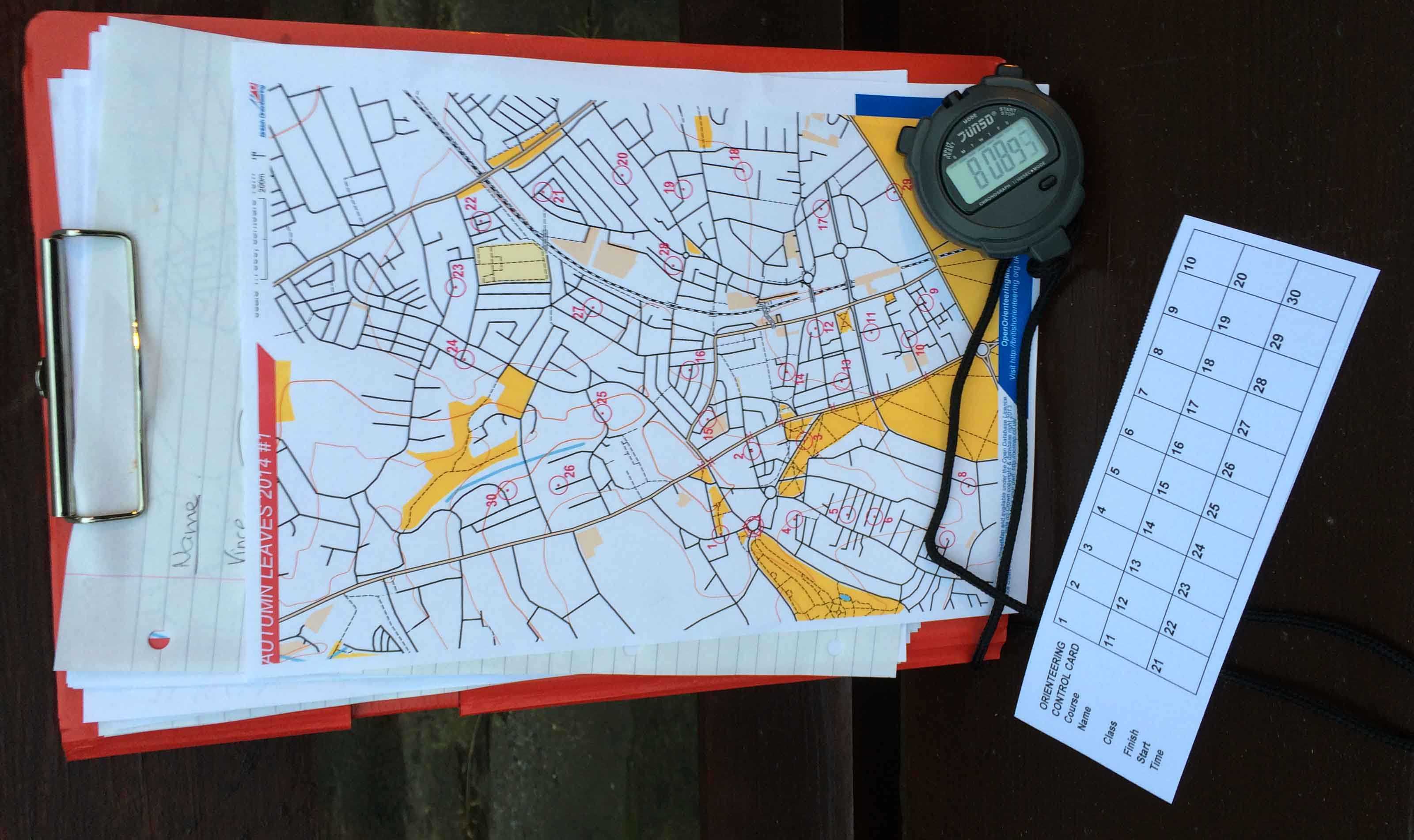
The world of orienteering is a thrilling blend of navigation, physical challenge, and strategic thinking. For experienced racers and those just starting out, a well-designed control card is absolutely essential. This article will delve into the world of Orienteering Control Card Templates, exploring their purpose, construction, and how to choose the right one for your needs. At the heart of every successful orienteering race lies a precise and reliable control card – a visual representation of your route, allowing you to accurately track your progress and avoid getting lost. Understanding the nuances of these templates is crucial for maximizing performance and ensuring a smooth and enjoyable experience. Let's explore the key elements and best practices for creating a truly effective template.
The core function of an Orienteering Control Card Template is to provide a clear and concise visual representation of the course, including key landmarks, distances, and potentially, navigational aids. It's more than just a map; it's a tool for both the racer and the marshals. A poorly designed template can lead to confusion, wasted time, and potentially, a frustrating race. Therefore, investing time in creating a template that is both accurate and easy to read is a worthwhile endeavor. The template should be easily distinguishable from the actual course, allowing for quick identification and accurate marking. Consider the target audience – are you designing for experienced racers or beginners? This will influence the level of detail and complexity you include.
Understanding the Components of a Standard Template
A typical Orienteering Control Card Template incorporates several key elements. The most important are the landmarks, distances, and potentially, navigational aids. Landmarks are the points of interest along the course – prominent trees, rocks, buildings, or other distinctive features. Distances are marked with symbols, often using a consistent system (e.g., meters, kilometers, or miles). Navigational aids, such as cairns, stream crossings, or specific trail markers, are also included to aid in route finding. The layout is usually designed to be easily readable, with clear and distinct markings. The template often includes a scale for distance measurements, ensuring accurate representation of the course. Furthermore, some templates incorporate a "check" feature, allowing the racer to quickly verify their route against the template.
Choosing the Right Template – A Guide for Beginners
When selecting an Orienteering Control Card Template, several factors should be considered. Beginners often benefit from simpler templates with fewer landmarks and distances. A template with a limited number of landmarks and clear distances is easier to understand and use. Experienced racers may prefer more detailed templates with a wider range of landmarks and potentially, more complex navigational aids. Consider the terrain of the course when choosing a template. A template designed for a hilly course will require more detailed markings than one for a flat course. Also, think about the level of detail you want to include. A basic template might suffice for a short course, while a more elaborate template is necessary for a longer or more challenging race. There are numerous free templates available online, ranging from simple to highly detailed. Be sure to carefully review the template before using it to ensure it meets your specific needs.
Section 1: Landmark Identification – The Foundation of Accuracy
A crucial element of any effective template is the accurate identification of landmarks. This section should clearly define each landmark and its corresponding symbol. Landmarks should be easily recognizable and consistently marked. Consider using a consistent symbol for each landmark – a simple, universally understood symbol is ideal. For example, a tree might be represented by a stylized tree silhouette, while a rock might be depicted as a simple rock shape. It's important to maintain a consistent visual style for all landmarks to ensure clarity. A good landmark identification guide can be invaluable for new users. Many online resources offer detailed descriptions of common landmarks and their corresponding symbols. Regularly updating the landmark database is essential to ensure accuracy.
Section 2: Distance Marking – Precision and Clarity
Distance markings are essential for accurately tracking the course. The chosen method of marking should be consistent throughout the template. Common methods include using symbols, dots, or even a combination of both. The distance markings should be clearly visible and easily distinguishable from the actual course. Consider using a consistent scale for distance measurements, such as meters or kilometers. A well-designed distance marking system will significantly improve the accuracy of the template. It's important to avoid overlapping markings, as this can lead to confusion. A clear and concise distance scale is crucial for ensuring accurate navigation. Some templates incorporate a "check" feature that allows the racer to quickly verify their route against the distance markings.
Section 3: Navigational Aids – Adding Complexity and Challenge
Beyond landmarks and distances, some templates incorporate navigational aids such as cairns, stream crossings, or specific trail markers. These aids can significantly enhance the challenge of orienteering. Cairns, for example, are small piles of stones that provide a visual reference point. Stream crossings require the racer to carefully assess the water level and navigate safely. Trail markers can be used to guide the racer along a specific route. The inclusion of navigational aids adds a layer of complexity to the template, making it more engaging and challenging. However, it's important to ensure that the navigational aids are clearly marked and easily identifiable. A well-designed navigational aid system should be intuitive and easy to understand.
Section 4: Scale and Orientation – Essential for Accurate Mapping
A clear and accurate scale is paramount for any orienteering template. The scale should be clearly displayed on the template, allowing the racer to quickly determine the distance between landmarks. The scale should be consistent throughout the template, ensuring that distances are accurately represented. Consider using a consistent unit of measurement (e.g., meters, kilometers) and clearly labeling the scale. A poorly chosen scale can lead to significant errors in distance calculations. It's important to choose a scale that is appropriate for the terrain of the course. A scale that is too small can make it difficult to accurately track distances, while a scale that is too large can be misleading. A good scale is a critical component of a reliable template.
Section 5: Check Feature – Verification and Accuracy
Many templates include a "check" feature, allowing the racer to quickly verify their route against the template. This feature typically involves a series of landmarks that the racer must accurately mark. The check feature is a valuable tool for ensuring accuracy and identifying any potential errors. The check feature should be clearly marked and easy to use. A well-designed check feature can significantly improve the accuracy of the template. It's important to test the check feature thoroughly to ensure that it functions correctly. Regularly updating the check feature is essential to maintain accuracy.
Conclusion – Mastering the Template
Creating a successful Orienteering Control Card Template requires careful planning, attention to detail, and a thorough understanding of the principles of navigation. The template should be accurate, easy to read, and provide a clear and concise representation of the course. By following the guidelines outlined in this article, you can create a template that will significantly enhance your orienteering experience. Remember that the template is a tool, and its effectiveness depends on how well it is used. Practice and refinement are key to creating a template that meets your specific needs. Investing the time to create a well-designed template is an investment in your performance and enjoyment of the sport. Ultimately, a thoughtfully crafted template is more than just a visual aid; it's a valuable asset for any orienteering enthusiast. Continuous improvement and adaptation to new challenges are essential for maintaining a template that remains effective over time. Don't be afraid to experiment with different layouts and features to find what works best for you. The key is to prioritize accuracy and clarity above all else.
0 Response to "Orienteering Control Card Template"
Posting Komentar