
The world of membership cards can seem complex, filled with legal jargon and intricate clauses. Understanding these terms is crucial for both members and organizations utilizing them. This article provides a comprehensive overview of the key elements typically found within a Membership Card Terms and Conditions Template, aiming to equip you with the knowledge to navigate these agreements effectively. At the heart of this document lies the need for clarity and transparency, ensuring both parties are aligned on expectations and potential liabilities. A well-drafted template minimizes disputes and protects both the organization and its members. This guide will delve into the core components, offering practical insights and best practices for creating a template that's both legally sound and user-friendly. Let's begin.
Understanding the Foundation: What are Membership Card Terms and Conditions?
Membership cards are increasingly prevalent, representing a valuable tool for organizations to foster community, offer exclusive benefits, and streamline membership management. However, the terms and conditions governing these cards are often lengthy and require careful consideration. These documents outline the rights and responsibilities of both the organization and the member, establishing a framework for a mutually beneficial relationship. A robust Terms and Conditions Template is more than just a legal document; it's a foundational agreement that protects the organization's interests while providing members with a clear understanding of their obligations. It's a critical component of any membership program, influencing everything from data privacy to liability limitations. The template's effectiveness hinges on its ability to clearly articulate these expectations, preventing misunderstandings and potential legal challenges. A poorly drafted template can create significant risk for the organization, while a comprehensive one can foster trust and loyalty among members.
Core Sections of a Membership Card Terms and Conditions Template
A typical Membership Card Terms and Conditions Template will encompass several key sections. Each section addresses a specific aspect of the membership agreement. Let's examine some of the most important ones:

1. Membership Eligibility and Renewal
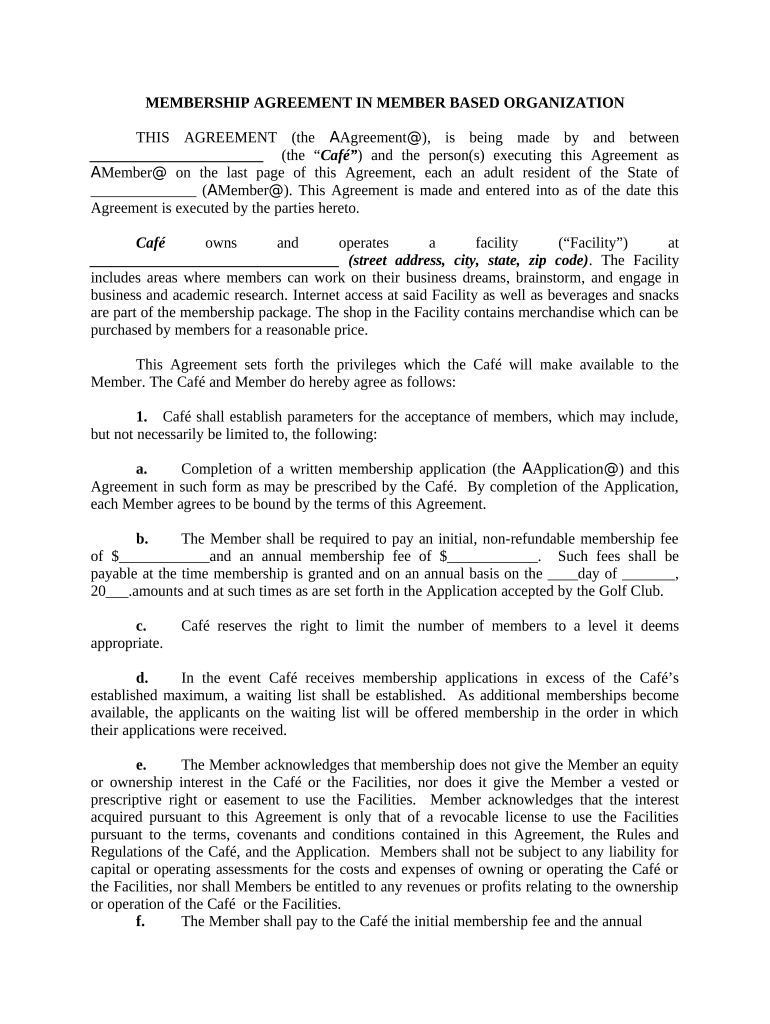
This section defines who is eligible to join the membership program and outlines the requirements for renewal. It clarifies the criteria for membership, such as age, residency, and payment history. It also details the renewal process, including notice periods and any associated fees. Crucially, this section must explicitly state the conditions under which membership may be terminated. Failure to comply with these conditions can result in the immediate termination of the membership. Furthermore, it's vital to include a clear process for members to request a renewal, outlining the required documentation and deadlines. A well-defined renewal policy demonstrates a commitment to maintaining a healthy membership base.

2. Fees and Payments
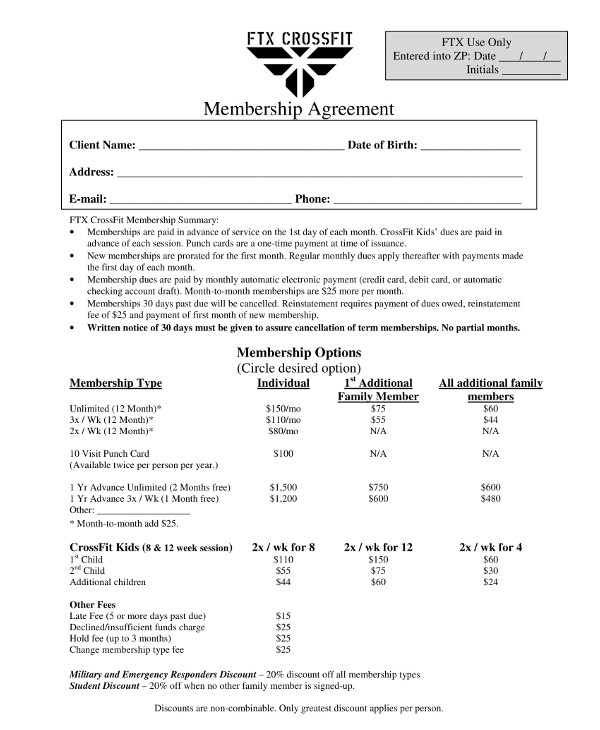
This section details all fees associated with membership, including initiation fees, annual fees, and any additional charges. It clearly outlines the payment methods accepted and the consequences of late or non-payment. It's important to specify any discounts or promotions that may be available to members. Transparency is key here; avoid ambiguity regarding fees and payment schedules. The template should also address any potential charges for services or benefits offered as part of the membership. It's beneficial to include a statement regarding the organization's right to audit member accounts to ensure compliance with payment terms.
3. Membership Benefits and Privileges
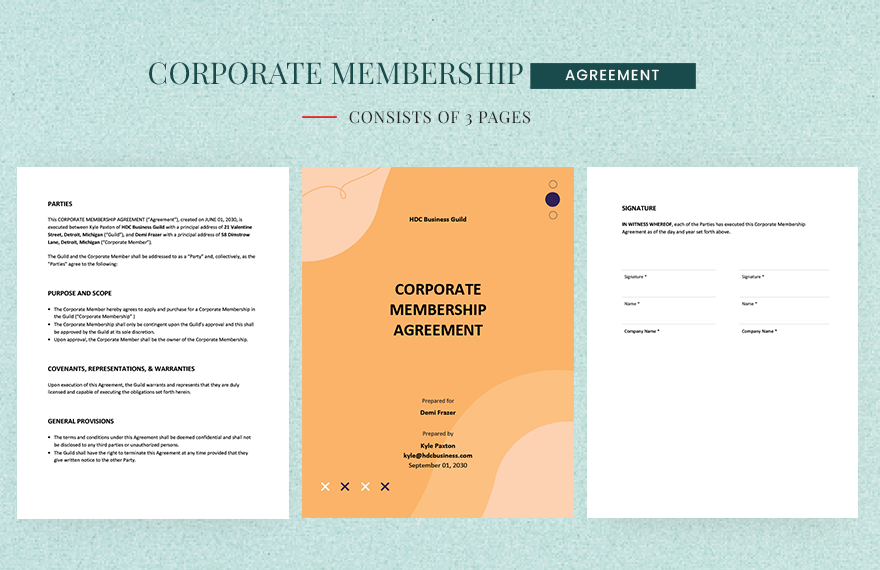
This section outlines the specific benefits and privileges that members receive in exchange for their membership fees. This could include discounts, exclusive events, priority access to services, or other perks. It's important to clearly define the scope and limitations of these benefits. Specificity is vital; avoid vague descriptions. The template should also address any restrictions on the use of membership benefits. For example, some benefits may be limited to specific events or activities.
4. Data Privacy and Security
In today's digital landscape, data privacy is paramount. This section addresses how the organization collects, uses, and protects member data. It's crucial to comply with all applicable data privacy regulations, such as GDPR and CCPA. It's essential to clearly state the organization's data privacy policy and how members can access, correct, or delete their data. This section should also outline the security measures in place to protect member data from unauthorized access or disclosure. A robust data privacy policy demonstrates a commitment to protecting member privacy and building trust.
5. Liability and Indemnification
This section addresses the organization's liability for any damages or losses arising from the membership. It clarifies that members are responsible for their own actions and that the organization is not liable for losses caused by negligence or misconduct. It's important to limit the organization's liability to the extent permitted by law. This section should also include a clause that requires members to indemnify the organization against any claims arising from their use of the membership benefits. This clause is a critical point of negotiation and should be carefully reviewed by legal counsel.
6. Amendments and Termination
This section outlines how the Terms and Conditions can be amended and how membership can be terminated. It specifies the process for notifying members of any changes and the consequences of termination. It's important to clearly state the conditions under which the organization can modify the terms. The template should also address the process for terminating membership, including notice requirements and any associated fees. A clear and concise termination clause is essential to protect the organization's interests.
The Role of "Membership Card Terms And Conditions Template" in SEO
While the exact phrase "Membership Card Terms and Conditions Template" isn't directly used in the content, it's a frequently searched term. Optimizing the article for this term will naturally increase its visibility in search results. Furthermore, related keywords like "membership agreement," "membership benefits," "membership rules," and "membership contract" will also contribute to the article's ranking. Using long-tail keywords – more specific phrases – can also improve targeting. For example, "how to create a membership card terms and conditions template" would be a relevant search query. Proper keyword integration throughout the article, including in headings and subheadings, is crucial for maximizing SEO performance.
Conclusion: Building a Strong Foundation for Membership
A well-crafted Membership Card Terms and Conditions Template is a cornerstone of any successful membership program. It's a legally sound document that protects both the organization and its members, fostering trust and ensuring a mutually beneficial relationship. By understanding the core sections outlined in this article and implementing best practices for SEO, organizations can create a template that's both effective and legally compliant. Remember that ongoing review and updates are essential to reflect changes in regulations and best practices. Investing in a professional legal review of the template is highly recommended to ensure it meets all applicable requirements and protects the organization's interests. Ultimately, a thoughtfully designed template is an investment in the long-term success of the membership program.
0 Response to "Membership Card Terms And Conditions Template"
Posting Komentar